 EN
EN
 AR
AR
 HR
HR
 CS
CS
 NL
NL
 FR
FR
 DE
DE
 IT
IT
 JA
JA
 KO
KO
 NO
NO
 PL
PL
 PT
PT
 RO
RO
 RU
RU
 ES
ES
 SV
SV
 TL
TL
 ID
ID
 VI
VI
 MT
MT
 TH
TH
 TR
TR
 AF
AF
 MS
MS
 AZ
AZ
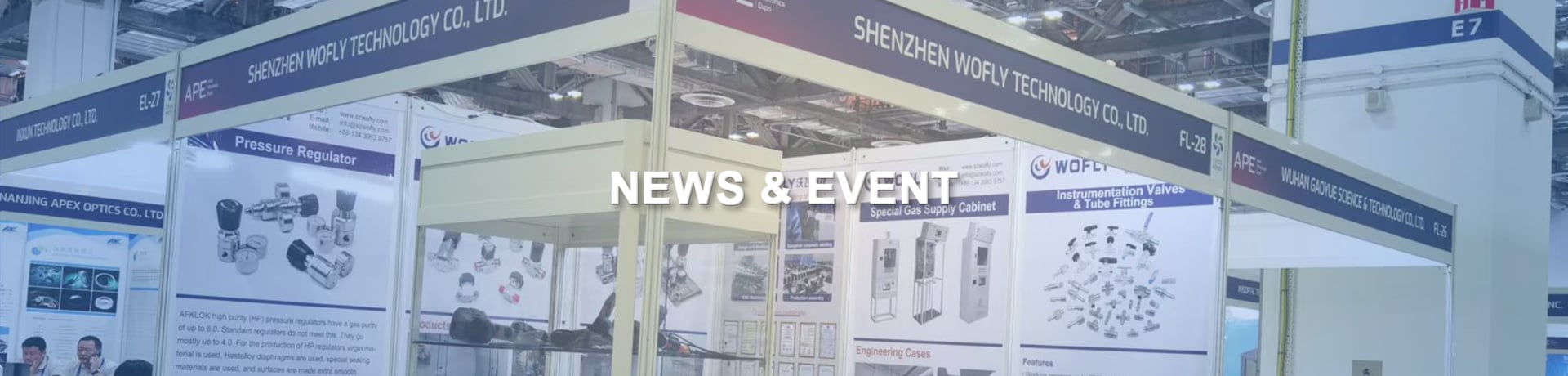
Wofly Technology — Laboratory Gas Pipeline Quality & Safety Assurance
Overview
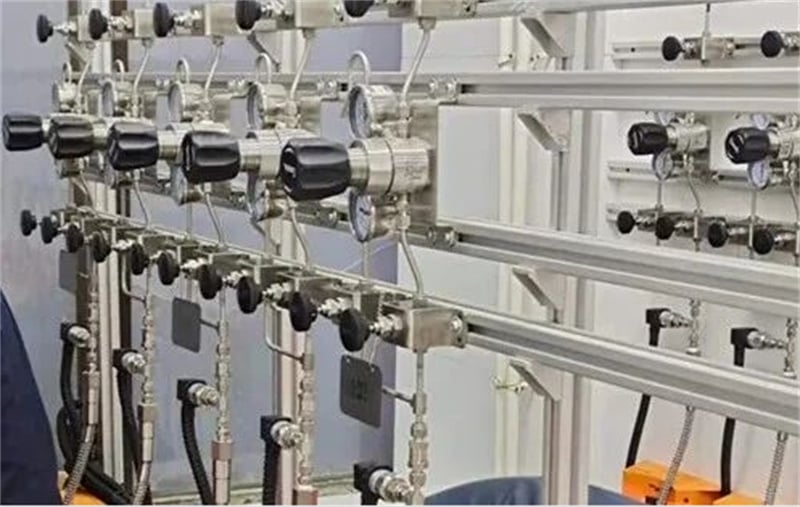
Laboratory gas pipelines are critical infrastructure for scientific research, testing, and precision manufacturing. Gases such as H₂, O₂, N₂, Ar, He, NH₃, and SiH₄ must be delivered with stable pressure, high purity, and consistent flow to ensure repeatable experimental results and safe equipment operation.
1. Safety Risks & Quality Requirements
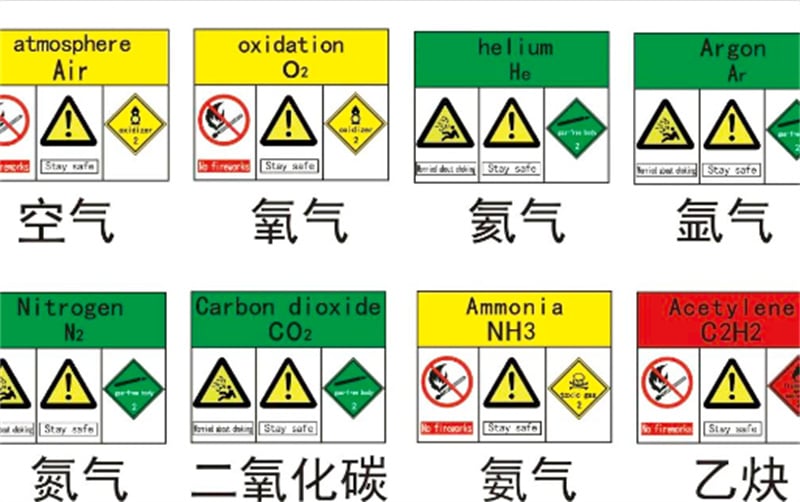
01 Gas Classifications
| Type | Examples | Key Hazard |
| Inert | N₂, Ar, He | Asphyxiation at high concentration |
| Oxidizing | O₂, compressed air | Combustion support; oil-free piping required |
| Flammable | H₂ (LEL 4–75%), SiH₄ | Explosion risk; dedicated gas cabinets required |
| Corrosive | NH₃, Cl₂ | Pipeline corrosion; corrosion-resistant alloys required |
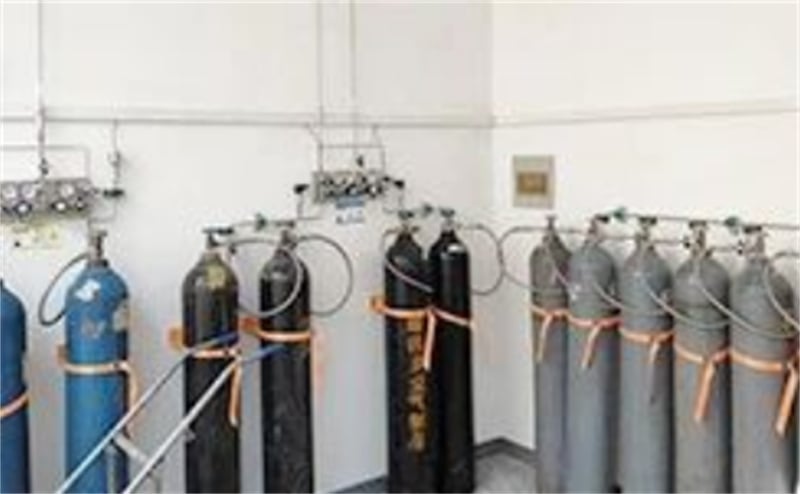
02 Core Risks
Leakage
● — Most common at valve packings, VCR fittings, welds, and flanges. Flammable gas accumulation can reach explosive limits; toxic gases pose direct personnel hazards.
Purity Contamination
● — Particles, moisture, and metal ions from pipe inner surfaces degrade purity. High-purity systems require inner surface roughness Ra ≤ 0.4 μm.
Pressure Anomalies
● — Regulator failure or gas source switching causes pressure surges or fluctuations, affecting equipment safety and experiment stability.
Material Corrosion
● — 316L stainless steel handles NH₃ and alkaline gases; Hastelloy or Monel alloys are required for Cl₂ and strong oxidizers.
03 Quality Standards
Material
● 316L electropolished (EP) tubing for high-purity gas; 304 seamless tubing for general use.
Joining
● Orbital GTAW welding for high-purity systems; VCR metal face-seal fittings with leak rate ≤ 1×10⁻⁹ Pa·m³/s.
Testing
● Hydrostatic test (1.5× design pressure) → Pneumatic test (1.15×) → Helium mass spectrometer leak detection.
Standards
● SEMI F20, GB 50177, GB 50029.
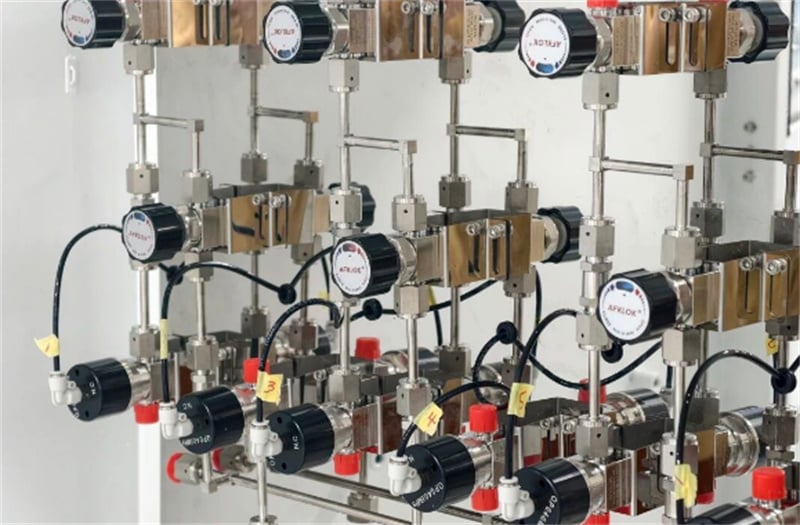
2. Wofly Technology Solutions
01 Full-Cycle Engineering Service
Wofly Technology provides end-to-end services from design to commissioning
Design
● Tailored layout based on gas type, flow rate, pressure, and endpoint distribution. Flammable, oxidizing, and corrosive gases are routed through independent or separated pipelines.
Material Procurement
● 316L EP tubing, diaphragm valves (zero-leakage), and pressure regulators selected to match inlet pressure and outlet flow requirements.
Installation
● Orbital cutting and automated orbital welding with qualified weld procedure records (PQR). Argon purge inside pipe during welding prevents oxidation.
Commissioning
● Pressure testing, leak detection, purging, purity verification, and delivery of full documentation.
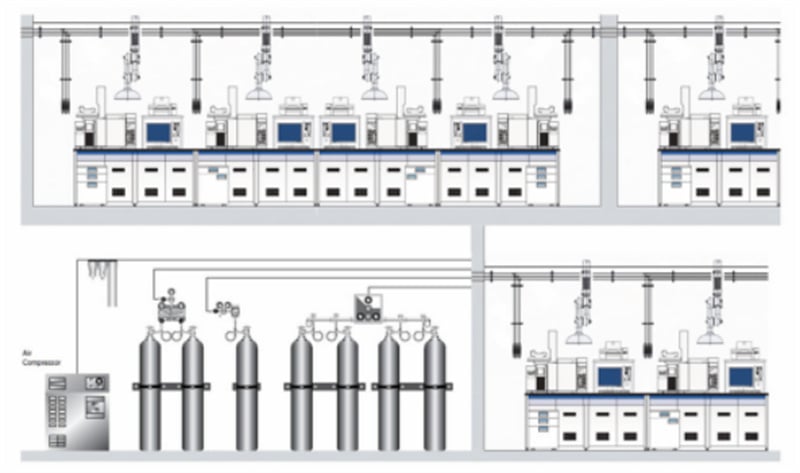
02 Key Equipment
Specialty Gas Cabinets (GC)
● Store high-pressure cylinders with automatic ventilation, leak alarms, and explosion-proof doors.
Pressure Regulators (WR1200 Series)
● Reduce cylinder pressure (15–20 MPa) to working pressure (0.1–0.8 MPa); dual-stage design with ±2% regulation accuracy; EP inner surface.
Diaphragm Valves (MV4 / MVH4 Series)
● Metal diaphragm seal with zero leakage and no packing gland. MV4 for standard high-purity gases; MVH4 for high-temperature or corrosive media. Service life ≥ 100,000 open/close cycles.
Gas Supply Panels (GSP)
● Integrate regulators, gauges, diaphragm valves, and flow meters in a modular design for centralized pressure/flow monitoring and easy maintenance.
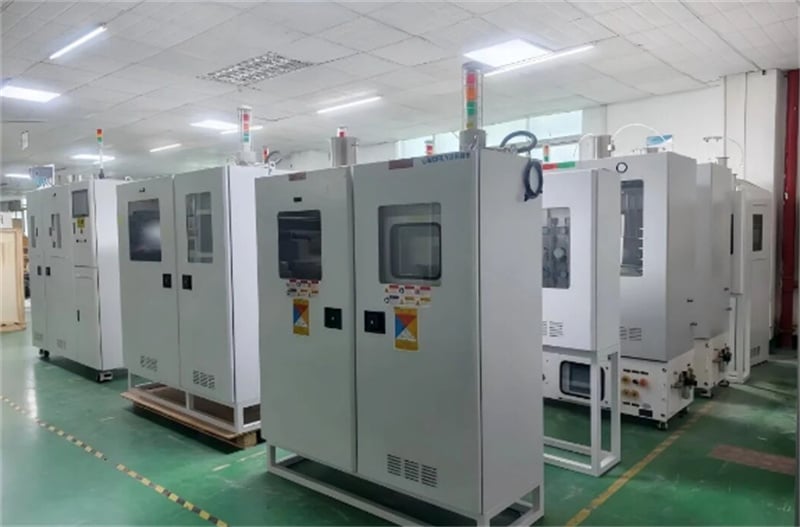
03 Core Technologies
Electropolished Tubing
● 316L inner surface Ra ≤ 0.4 μm; chromium-enriched passive layer minimizes particle adsorption and ion release.
Orbital Automated Welding
● Programmable current, rotation speed, and wire feed; full parameter traceability per weld joint.
VCR Metal Face-Seal
● Leak rate ≤ 1×10⁻⁹ Pa·m³/s via metallic gasket plastic deformation; suitable for ultra-high-purity and vacuum systems.
Purging & Passivation
● High-purity N₂ or Ar high-flow purge removes particles and moisture; oxygen-sensitive systems undergo further passivation to form a stable oxide layer.