EN
EN
 AR
AR
 HR
HR
 CS
CS
 NL
NL
 FR
FR
 DE
DE IT
IT JA
JA
 KO
KO
 NO
NO PL
PL PT
PT RO
RO
 RU
RU
 ES
ES
 SV
SV
 TL
TL
 ID
ID
 VI
VI
 MT
MT
 TH
TH
 TR
TR
 AF
AF
 MS
MS
 AZ
AZ
Laboratoriya Fiziki və Kimyəvi Analizi Üçün Xüsusi Qaz Sistemləri
Fiziko-kimyəvi analiz elmi tədqiqatlar, keyfiyyət nəzarəti və sənaye testlərini dəstəkləyən əsas disiplindir və bu sahə universitetlərdə, biotibb və farmasevtika, qida təhlükəsizliyi, ətraf mühit monitorinqi və neft-kimya sahələrində geniş tətbiq olunur. Qaz xromatoqrafları (GC), atom-absorbsiya spektrometrləri (AAS) və ICP-OES sistemləri kimi dəqiq cihazlar etibarlı nəticələr əldə etmək üçün davamlı, yüksək təmizlikdə qaz təchizatına ehtiyac duyurlar. Qaz təchizatı zəncirində hər hansı bir fasilə və ya çirklənmə analitik dəqiqliyi pozula bilər və həssas avadanlığı zədələyə bilər.
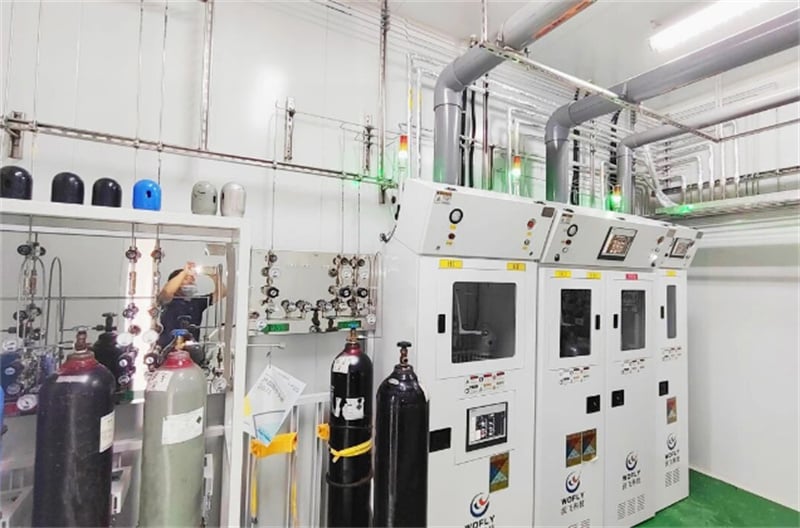
AXüsusi Qaz Təchizatı Sistemi (XQTS) laboratoriyalara qaz saxlanması, manifolddan keçid, təzyiqin tənzimlənməsi, boru kəməri ilə paylanma, son çıxış nöqtələri və təhlükəsizlik monitorinqi daxil olmaqla mərkəzləşdirilmiş, standartlaşdırılmış qaz verilməsi infrastrukturunu təmin edir — hamısı bir-birilə inteqrasiya olunmuş həll kimi.
1. Mərkəzləşdirilmiş manifolddan təchizat və çoxrejimli keçid
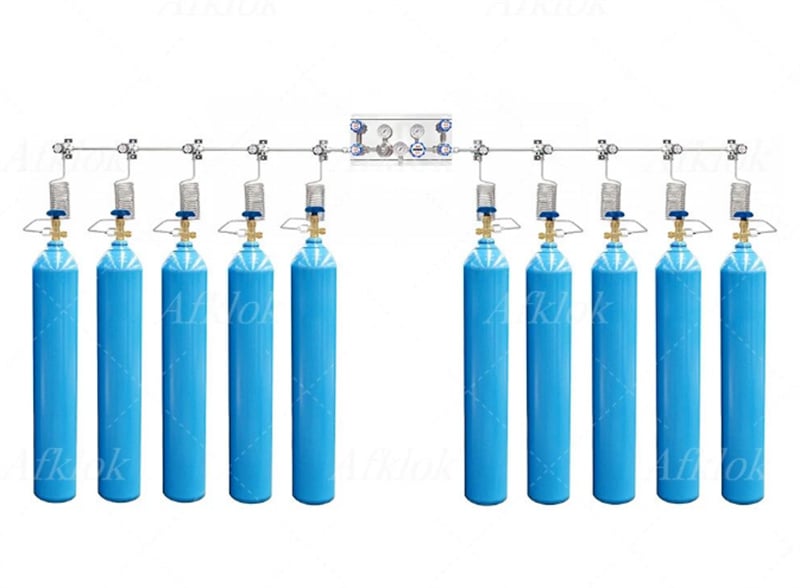
Laboratoriya qaz istehlakı davamlı və bir neçə iş stansiyasına paylanır. SGS manifolq arxitekturasından istifadə edir ki, bu da bir neçə silindri paralel olaraq birləşdirərək iki və ya çoxsilindrli keçid vasitəsilə qaz təchizatının kəsilməməsini təmin edir. Sistem əl ilə idarə olunan, yarımavtomatik və tam avtomatik rejimləri dəstəkləyir. Avtomatik rejimdə iş silindri təzyiqi öncədən təyin edilmiş həddə enəndə sistem ehtiyat silindrinə keçir və aşağı təzyiq siqnalı verir — bu da analizin davam etməsini pozmadan daşıyıcı qazların (helium, azot, argon) və yanacaq qazlarının (hidrogen, asetilen) sabit təchizatını təmin edir.
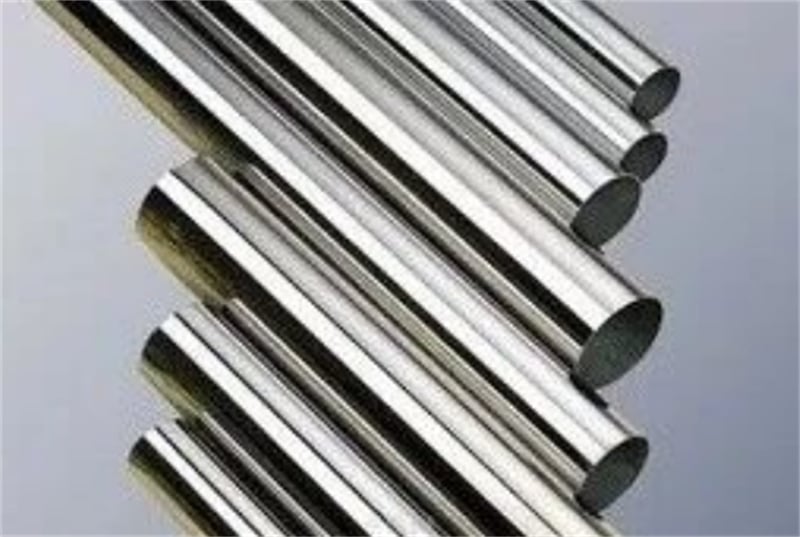
2. Qaz təmizliyi üçün 316 növü paslanmayan polad borular
Analitik cihazlar çox yüksək qaz təmizliyi tələb edir — belə ki, iz miqdarında kontaminasiya belə bazis xəttinin sürüşməsinə, aşkarlama həddinin artırılmasına və ya cihazın zədələnməsinə səbəb ola bilər. SGS qaz boruları tamamilə 316 növü paslanmayan polad materialından, o cümlədən bütün klapanlar, birləşdirici hissələr və konnektorlardan hazırlanmışdır; bu da mənbədən son nöqtəyə qədər qapalı, kontaminasiyasız bir çatdırma yolu yaradır. 316 növü paslanmayan polad üstün korroziyaya davamlılıq və aşağı səth sorbsiyası xüsusiyyətinə malikdir; bu da boru divarlarında qaz qalıntısının minimuma endirilməsini və hidrogen kimi reaktiv qazların boru materialları ilə qarşılıqlı təsir etməsinin qarşısını alır. Qaz mənbəyində yerləşən paslanmayan polad idarəetmə paneli təzyiq tənzimləməsi, süzülmə və bağlama funksiyalarını birləşdirir və sabit çıxış təzyiqi ilə təmizlik səviyyəsini təmin edir.
3. Çoxqatlı təhlükəsizlik monitorinqi
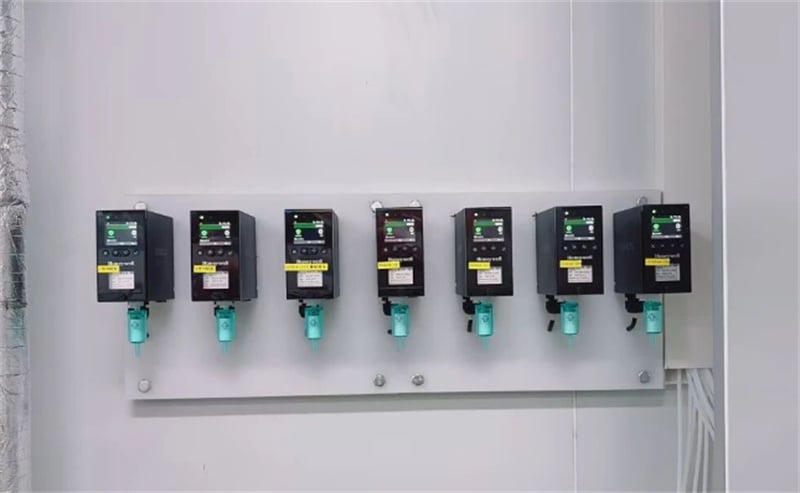
Tehlikəsizlik əsas dizayn prioritetidir. Sistem real vaxtda silindrin təzyiqini izləyən aşağı təzyiqli sinyallarla təchiz olunub və qaz bitməzdən əvvəl operatorlara xəbər verir. Konsentrasiya detektorları yanıcı (hidrogen, asetilen) və zəhərli qazların sızıntılarını davamlı olaraq izləyir — sızıntı səviyyələri müəyyən edilmiş həddə çatdıqda eşidilən və görünən sinyallar verilir. Bəzi konfiqurasiyalar həmçinin avtomatik sızıntı reaksiyası üçün soyuq havanın çıxarılmasına və fövqəladə söndürmə klapanlarına qoşulur. Bu ikiqat təbəqəli yanaşma — təzyiqin monitorinqi ilə qaz konsentrasiyasının monitorinqi birgə laboratoriya personalını və avadanlığı qoruyur.
4. Uyğun Silindir Otağı Dizaynı
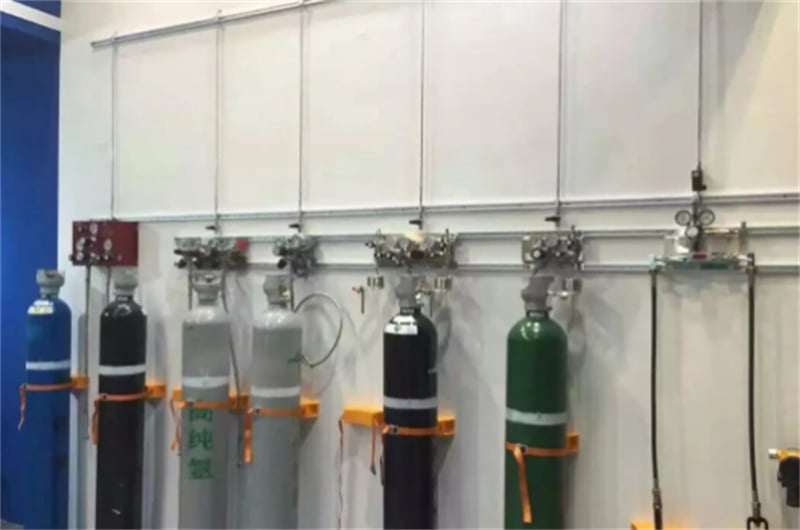
Qaz silindrləri laboratoriya iş sahəsindən fiziki olaraq ayrılmış, xüsusi nəzərdə tutulmuş silindr otağında saxlanılır. Silindrlər qaz növünə görə təsnif edilir: yanıcı qazlar (H₂, C₂H₂) və oksidləşdirici qazlar (O₂, N₂O) partlayışa davamlı elektrik avadanlığı, uyğun ventilyasiya və yanğınsöndürmə sistemi ilə təchiz edilmiş ayrı-ayrı zonalarda saxlanılır. Silindrlər məhdudlaşdırıcı zəncirlər və qoruyucu qapaqlarla sabitlənir; təchizat boruları divar kovaklarından laboratoriyanın daxilinə daxil olur və beləliklə, təhlükəsiz və standartlaşdırılmış qaz mənbəyi sahəsi təmin olunur.
5. Fərdiləşdirilmiş dizayn və peşəkar quraşdırma
Laboratoriya qaz sistemləri tez-tez mürəkkəb, çox dövrəli layihələrə malik olur. Wofly Technology sahə müqaviləçiləri ilə əlaqə saxlayaraq hər bir keçid nöqtəsini və idarəetmə klapanının yerini dəqiq qeyd edən ətraflı mühəndislik sxemləri hazırlayır; bu da quraşdırma xətalarını minimuma endirir və material miqdarlarını dəqiq qiymətləndirir. Quraşdırma SEMI standartlarına uyğun aparılır və avtomatlaşdırılmış orbital qaynaq istifadə olunur ki, buna görə də qaynaq daxilində səth tamamilə hamar və oksidsiz olur. Təhvil verilməzdən əvvəl hər bir sistem helium kütlə spektrometriyası ilə sızdırmazlıq testindən və təmizləmə və passivasiya prosedurlarından keçirilir ki, bu da qaz sızdırmazlığını və təmizliyi təsdiqləyir.