 EN
EN
 AR
AR
 HR
HR
 CS
CS
 NL
NL
 FR
FR
 DE
DE IT
IT JA
JA
 KO
KO
 NO
NO PL
PL PT
PT RO
RO
 RU
RU
 ES
ES
 SV
SV
 TL
TL
 ID
ID
 VI
VI
 MT
MT
 TH
TH
 TR
TR
 AF
AF
 MS
MS
 AZ
AZ

„Podstawowa linia życia” bioproduktów farmaceutycznych — czy naprawdę rozumiesz kluczową wartość systemu zasilania gazami specjalnymi?
W przemyśle biopracowni farmaceutycznych istnieje system, który wydaje się „niewidzialny”, ale przenika cały proces produkcyjny, decyduje o losie produktu oraz wiąże się z zgodnością przedsiębiorstwa – jest to system zaopatrzenia w gazy specjalne. W przeciwieństwie do intuicyjnie rozumianego sprzętu, takiego jak szalki Petriego w laboratorium czy fermentatory warsztatowe, system zaopatrzenia w gazy specjalne stanowi „rdzeniowy ośrodek” wspierający produkcję produktów biopracowni farmaceutycznych. Jego projekt, parametry techniczne oraz stabilność eksploatacyjna mają bezpośredni wpływ na wydajność produkcji leków, jakość produktu oraz konkurencyjność na rynku, czyniąc go niezastąpioną kluczową infrastrukturą w przemyśle biopracowni farmaceutycznych. Tzw. system zaopatrzenia w gazy specjalne to dedykowany system przeznaczony specjalnie do transportu, regulacji oraz oczyszczania gazów specjalnych (nazywanych dalej „gazami specjalnymi”).
Jego podstawową funkcją jest dostarczanie różnych gazów specjalnych wymaganych w produkcji bioproduktów farmaceutycznych (np. tlenu, dwutlenku węgla, azotu itp.) o czystości zgodnej ze standardami branżowymi, przy stabilnym ciśnieniu i przepływie, z dokładnością, bezpieczeństwem i czystością do każdego węzła produkcyjnego. Nie jest to zwykła „rura transportująca gazy”, lecz kompleksowy system integrujący oczyszczanie, filtrację, monitorowanie, regulację oraz ochronę bezpieczeństwa, stanowiący „niewidzialne, ale niezbędne” podstawowe wsparcie w produkcji bioproduktów farmaceutycznych.
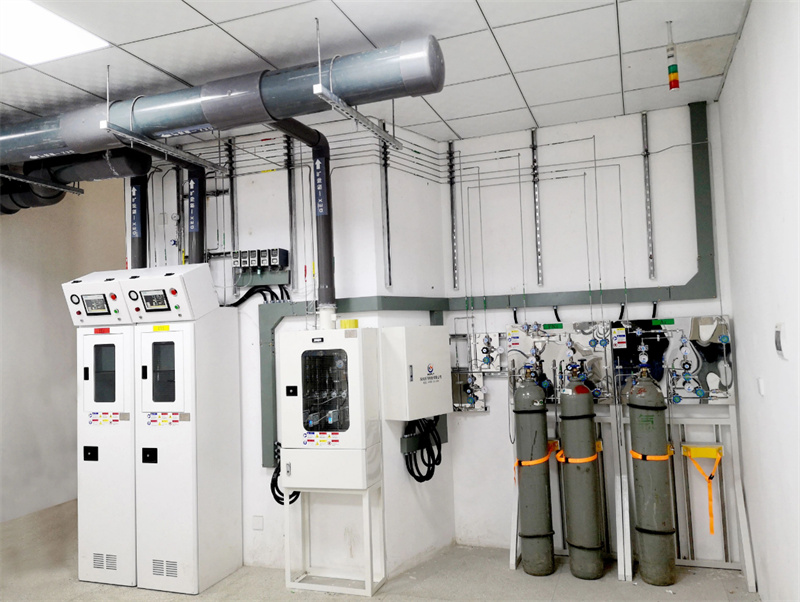
Kwalifikowany system zaopatrzenia w gazy specjalne musi spełniać surowe wymagania przemysłu bioproduktów farmaceutycznych dotyczące czystości, stabilności i bezpieczeństwa. Jego kluczowe elementy skupiają się wokół pięciu podstawowych funkcji: „oczyszczania, dostarczania, sterowania, monitorowania i ochrony”, przy czym każdy z tych elementów ma bezpośredni wpływ na ogólną wydajność systemu i ostatecznie decyduje o wynikach produkcji.
Podstawowe komponenty
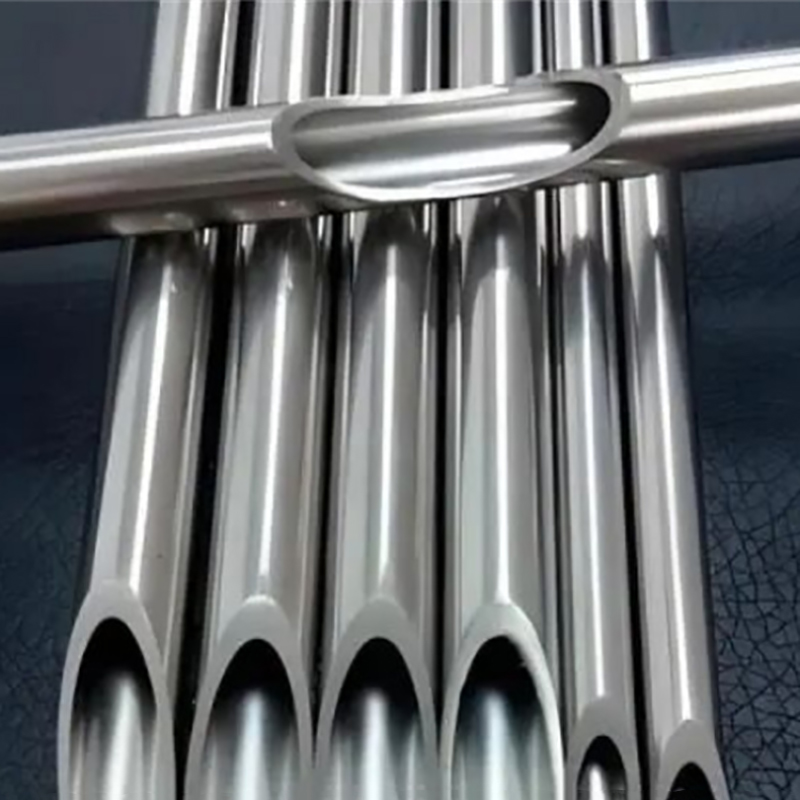
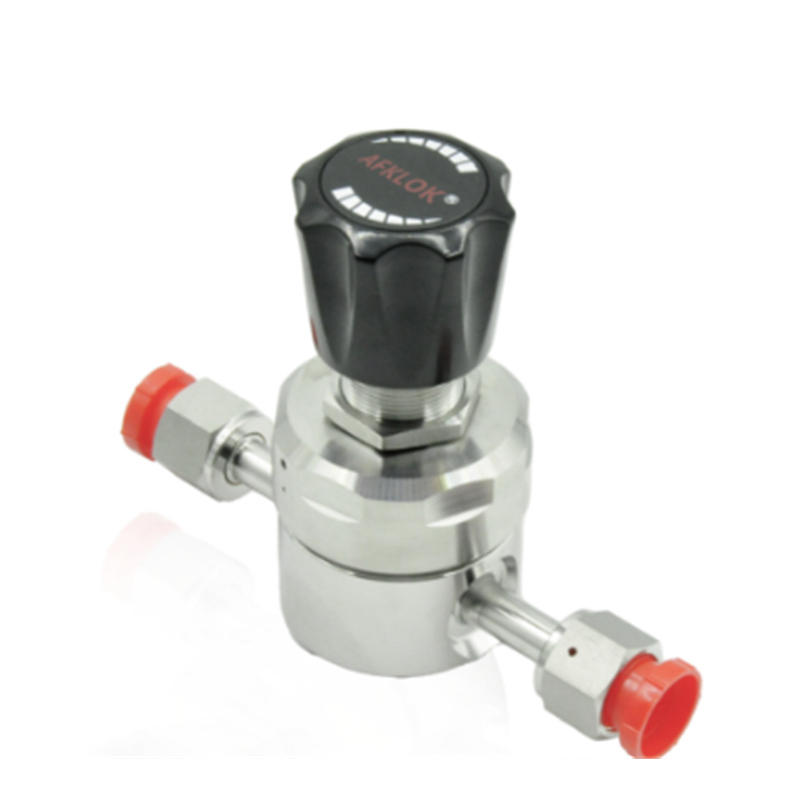
Główne komponenty specjalnego systemu zasilania gazem można podzielić na pięć głównych modułów, które współpracują ze sobą, zapewniając dokładność i bezpieczeństwo dostawy gazu: po pierwsze, moduł przechowywania gazu, służący do prawidłowego składowania różnych butli z gazami specjalnymi w celu zapobiegania wyciekom gazu oraz ryzyku ich mieszania; po drugie, moduł oczyszczania i filtracji, który stanowi rdzeń zapewnienia czystości gazu i wykorzystuje wielostopniowe procesy filtracji oraz oczyszczania w celu usunięcia wilgoci, cząstek stałych oraz szkodliwych zanieczyszczeń z gazu, zapewniając osiągnięcie wymaganej czystości gazu; po trzecie, moduł rurociągów transportowych, w którym stosuje się stal nierdzewną marki 316L oraz technologię elektropolerowania klasy EP, przy czym chropowatość wewnętrznej powierzchni ścianki rury wynosi maksymalnie Ra≤0,2 μm, co ogranicza adsorpcję gazu oraz pozostałości zanieczyszczeń i zapobiega wtórnej kontaminacji; po czwarte, moduł sterowania, wykorzystujący precyzyjne zawory, przepływomierze oraz regulatory ciśnienia w celu zapewnienia stabilnej kontroli przepływu i ciśnienia gazu oraz eliminacji jego wahaoń; oraz po piąte, moduł monitoringu i ochrony, który integruje pomiary w czasie rzeczywistym parametrów takich jak ciśnienie, przepływ i temperatura, a także funkcje ostrzegawcze oparte na sztucznej inteligencji (AI) oraz projektowanie odporności na wybuchy i przecieki, zapewniając bezpieczeństwo systemu oraz śledzalność danych.

Podstawowa funkcja
Kluczowa wartość specjalnego systemu zasilania gazem tkwi w jego trzech podstawowych funkcjach, które zapewniają bezpieczeństwo produkcji bioproduktów farmaceutycznych i odróżniają go od zwykłych systemów gazowych: Po pierwsze, funkcja precyzyjnej oczyszczania – w odpowiedzi na wymagania dotyczące czystości na poziomie „mikrogramów” w przypadku bioproduktów farmaceutycznych system ten pozwala zwiększyć czystość specjalnych gazów do ponad 9N (99,9999999%), co stanowi poprawę o dwa rzędy wielkości w porównaniu do tradycyjnych systemów gazowych; eliminuje on tym samym zanieczyszczenia obecne w gazie, które mogą powodować skażenie produktu już na etapie źródła, zapewniając tym samym czystość i skuteczność produktu; Po drugie, funkcja stabilnej kontroli – umożliwia ona nieprzerwane zasilanie gazem przez całą dobę, zapewniając precyzyjną kontrolę zakresu wahania przepływu i ciśnienia gazu oraz zapobiegając problemom takim jak nieprawidłowy wzrost komórek czy przerwy w produkcji spowodowane niestabilnym zasilaniem gazem; Po trzecie, funkcja bezpieczeństwa i zgodności – system ten ściśle przestrzega wymogów GMP (Dobrej Praktyki Produkcyjnej), umożliwiając rzeczywistoczasowe rejestrowanie danych monitoringu gazu oraz wcześniejsze ostrzeganie przed awariami, co zapewnia śledzilność procesu produkcyjnego i wspiera firmy farmaceutyczne w zdawaniu audytów zgodności oraz unikaniu ryzyka operacyjnego.

Wykonanie specjalnego systemu zasilania gazem bezpośrednio określa jego podstawową wartość
Kwalifikowany system zaopatrzenia w gazy specjalne musi spełniać surowe wymagania przemysłu bioproduktów farmaceutycznych dotyczące czystości, stabilności i bezpieczeństwa. Jego kluczowe elementy skupiają się wokół pięciu podstawowych funkcji: „oczyszczania, dostarczania, sterowania, monitorowania i ochrony”, przy czym każdy z tych elementów ma bezpośredni wpływ na ogólną wydajność systemu i ostatecznie decyduje o wynikach produkcji.
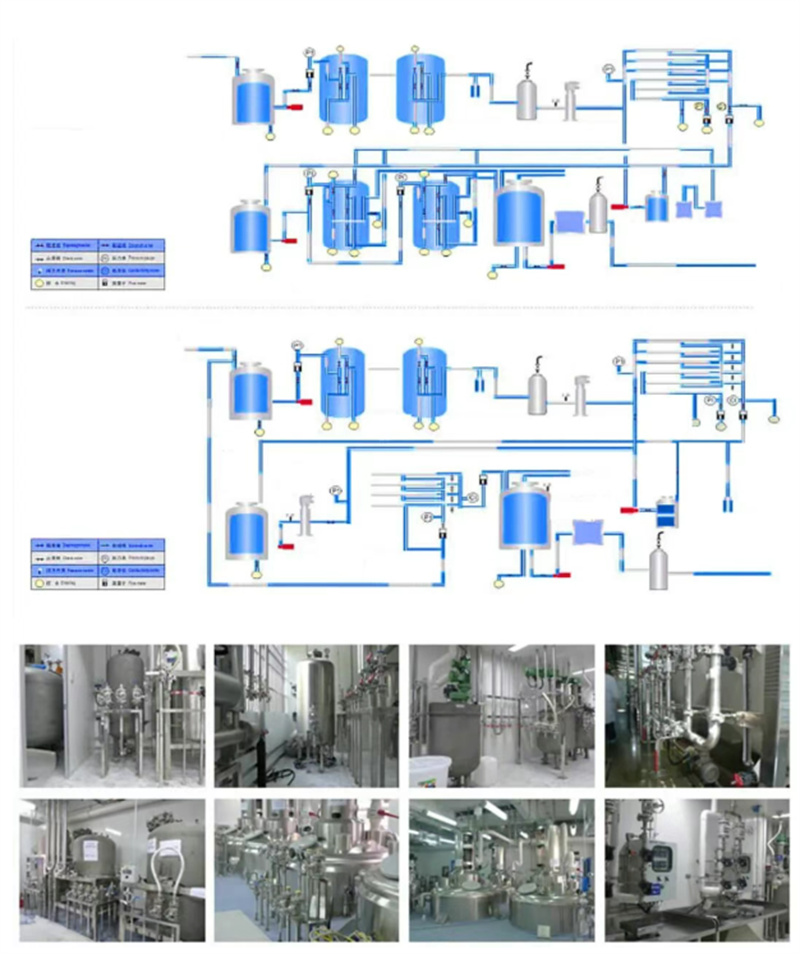
Możliwość kontrolowania czystości: „pierwsza linia obrony” zapewniająca bezpieczeństwo leków
Jedną z kluczowych cech wydajnościowych specjalnego systemu zasilania gazem jest jego zdolność do kontrolowania czystości. W bioprodukcji leków nawet zanieczyszczenia na poziomie ppb (jedna część na miliard) mogą prowadzić do obniżenia czystości leku, utraty skuteczności lub nawet do incydentów związanych z bezpieczeństwem. Wysokiej jakości specjalne systemy gazowe dzięki profesjonalnym modułom oczyszczania oraz zaprojektowaniu rurociągów skutecznie usuwają różne zanieczyszczenia z gazu i stale utrzymują wysoki poziom czystości; natomiast niskiej jakości systemy nie są w stanie zapewnić precyzyjnego oczyszczania, co może nie tylko spowodować odrzucenie całej partii leków, ale także wystawiać firmy farmaceutyczne na ryzyko sankcji wynikających z nieprzestrzegania przepisów.
Stabilna zdolność operacyjna: klucz do obniżenia kosztów produkcji
Stabilna praca jest podstawowym wymogiem systemu zasilania gazami specjalnymi oraz kluczowym czynnikiem kontrolującym koszty produkcji w firmach farmaceutycznych. Wysokiej jakości system może zapewnić długotrwałe, nieprzerwane i stabilne zaopatrzenie w gazy ze znacznie ograniczonymi wahaniami ciśnienia i przepływu, skutecznie redukując przestoje produkcyjne oraz niepowodzenia hodowli komórkowej spowodowane awariami systemu. Ponadto współczynnik utraty gazu w takim systemie może zostać obniżony do poniżej 3%, co stanowi istotne zmniejszenie w porównaniu do tradycyjnych systemów (stopa utraty wynosi 12%), a tym samym ogranicza marnotrawstwo gazów specjalnych. Z kolei niskiej jakości systemy często ulegają przeciekaniu i awariom, co nie tylko zwiększa zużycie gazu i koszty konserwacji, ale także powoduje znaczne straty ekonomiczne związane z przestojami produkcyjnymi.
Możliwość dostosowania do wymogów prawnych: «twarda» podpora przetrwania firm farmaceutycznych
Zdolność systemu zasilania gazem do dostosowania się do wymogów GMP ma bezpośredni wpływ na to, czy firma farmaceutyczna może przejść audyty GMP i osiągnąć produkcję na dużą skalę. Wysokiej jakości system jest projektowany ściśle zgodnie z wymogami GMP, integrując kompleksowe funkcje monitorowania i rejestracji danych, aby zapewnić identyfikowalność czystości gazu i parametrów operacyjnych, a jednocześnie oferując kompleksowe zabezpieczenia, które spełniają wymogi regulacyjne branży. System niespełniający norm uniemożliwi firmie farmaceutycznej przejście audytów zgodności, utratę kwalifikacji produkcyjnych i ostatecznie wyeliminowanie jej z rynku.