 EN
EN
 AR
AR
 HR
HR
 CS
CS
 NL
NL
 FR
FR
 DE
DE
 IT
IT
 JA
JA
 KO
KO
 NO
NO
 PL
PL
 PT
PT
 RO
RO
 RU
RU
 ES
ES
 SV
SV
 TL
TL
 ID
ID
 VI
VI
 MT
MT
 TH
TH
 TR
TR
 AF
AF
 MS
MS
 AZ
AZ

Basic Selection Guide for Flowmeters: Customization Options for Specialized Industrial Needs
Flow meter series has become a preferred flow measurement device across industries like chemical engineering, petroleum, pharmaceuticals, environmental protection, food, and scientific research. It accurately measures single-phase, pulse-free fluids (liquids and gases), providing reliable data support for production and experiments in various sectors.
I. Diverse Model Options to Cover All Needs
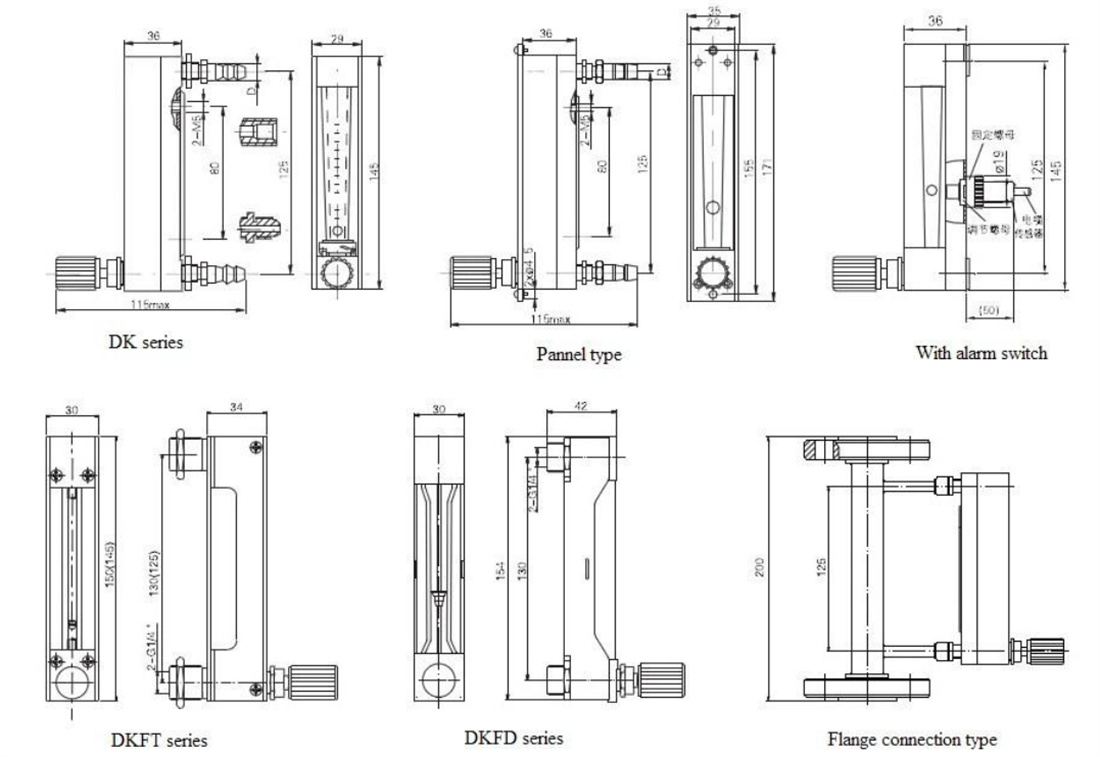
LZB/LZJ Series: Includes standard and anti-corrosion (F Series) types, with port sizes 4-100mm. Suitable for scenarios like chemical engineering, papermaking, and sewage treatment; the anti-corrosion type resists corrosive media such as acids, alkalis, and oxidizers.
G/R/F Series: Available with three connection types (threaded, hose, flange), port sizes 15-50mm. It can replace imported production line equipment, ideal for light industry, pharmaceuticals, and environmental protection industries.
FA24 Series: Adopts advanced international technology, supports flange rotation alignment, port sizes 15-80mm. Combines high precision and easy installation, suitable for medium-to-large industrial scenarios.
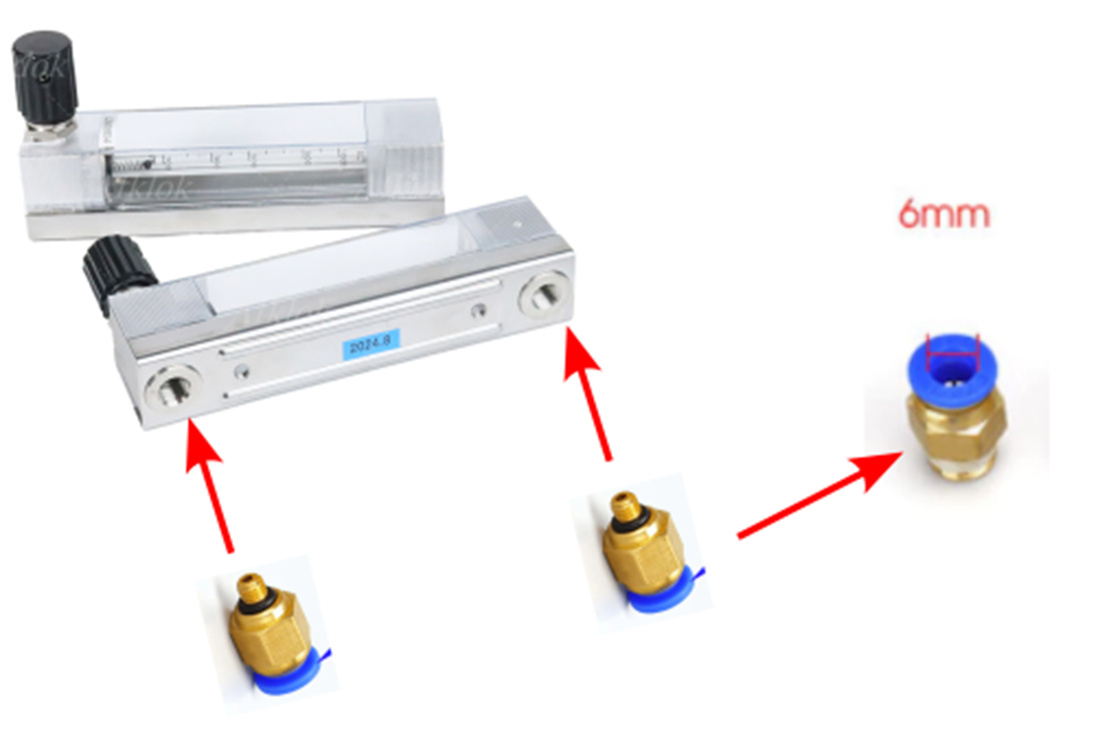
Micro-Flow Series (LZB-() W/WB, DK Series): Port sizes 3-10mm, with high measurement precision. Suitable for micro-flow scenarios like scientific research, medical care, and trace analysis.
Specialized Series: Includes all-stainless steel, all-PTFE, pull-rod anti-corrosion (LZB-TS), and split-flow (LZB-FL) types. Suitable for special working conditions such as high temperature, strong corrosion, and large flow.
II. Core Selection Parameters for Easy Matching
Choose a flow meter by clarifying 3 key parameters—no complex calculations needed:
Measured Medium: Specify the fluid (liquid/gas) and whether it is corrosive.
Specifications: Port size (3mm-300mm) and connection type (matching joints); flow range (working condition flow or standard condition flow).
Working Conditions: Operating pressure (max 6.4MPa), operating temperature (-20℃~200℃); whether explosion protection, signal output, etc., are required.
III. Key Advantages for Easy & Efficient Use
Strong Adaptability: Covers scenarios involving standard media, corrosive media, micro-flow, and large flow; custom materials (316L stainless steel, PTFE, etc.) are available.
Simple Operation: Clear, easy-to-read glass tubes; some models come with flow control valves, enabling quick use after installation.
Flexible Installation: Supports multiple connection methods (hose, threaded, flange) and mounting types (panel, wall-mounted).
Stable & Reliable: Measurement accuracy reaches Class 1.5-4; low pressure loss and long service life reduce maintenance costs.
IV. Flexible Connection Methods & Wide Flow Ranges for Different Scenarios
1. Flexible Connection Options
Small Ports (3-10mm): Hose connection, threaded connection (e.g., M10, G1/2").
Medium Ports (15-50mm): Threaded connection, flange connection (4-Φ14/18 mounting holes).
Large Ports (65-300mm): Flange connection (compatible with standards like ANSI, DIN, GB).
Special Connections: Custom options (quick connectors, ferrule connections, etc.).
2. Wide Flow Ranges for Precise Matching
Micro-Flow: 0.1ml/min-1L/min, suitable for scientific research, medical care, etc.
Standard Flow: 1L/h-10m³/h, suitable for daily production in chemical engineering, food, environmental protection, etc.
Large Flow: Up to 900m³/min, suitable for large industrial pipelines, water treatment, etc.