 EN
EN
 AR
AR
 HR
HR
 CS
CS
 NL
NL
 FR
FR
 DE
DE
 IT
IT
 JA
JA
 KO
KO
 NO
NO
 PL
PL
 PT
PT
 RO
RO
 RU
RU
 ES
ES
 SV
SV
 TL
TL
 ID
ID
 VI
VI
 MT
MT
 TH
TH
 TR
TR
 AF
AF
 MS
MS
 AZ
AZ
Technical Guide: 5 Critical Signs Your Ball Valve is About to Fail
Is a failing ball valve about to cause an unplanned shutdown at your plant?
In high-stakes environments like chemical processing or palm oil refining, valve failure isn’t just an inconvenience. It’s a direct threat to safety, productivity, and your bottom line.
This guide outlines the five critical signs we train Maintenance, Repair, and Operations (MRO) teams to look for.
Always follow proper Lockout/Tagout (LOTO) safety procedures before any inspection.
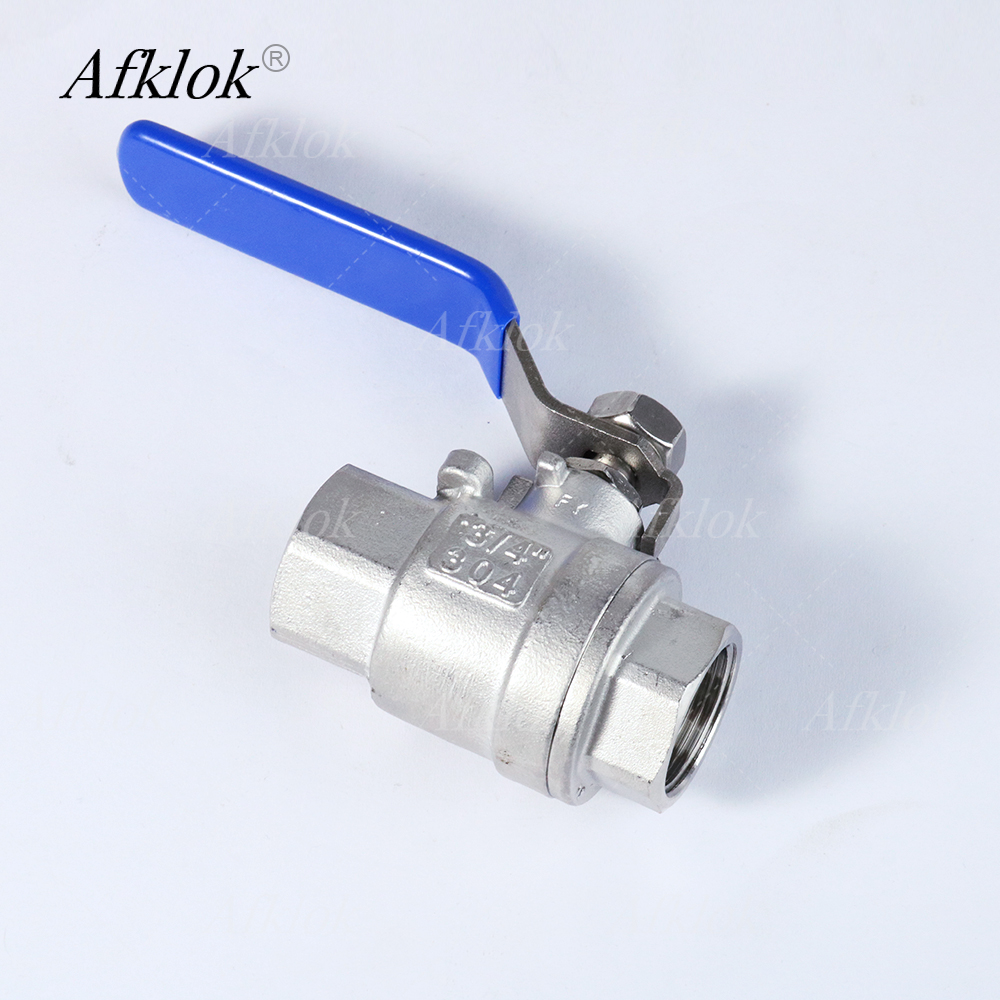
1. Your System Performance Drops
This is often the first sign. You’ll notice things just aren’t running at their peak.
Your valve might be slow to open or close, or you might see a drop in flow rates for no clear reason. This points to internal wear or a blockage.
We strongly advise against trusting the handle position alone. A sheared stem means the handle can show ‘closed’ while the valve itself is still wide open. This is a major, hidden safety risk.
2. Leaks and Seal Compromise
A leak is the most urgent sign. It requires immediate action.
Internal leaks are the tricky ones. They don’t drip on the floor but can ruin entire product batches. For external leaks, material choice is everything, especially in China’s corrosive climate. We specify materials like cast stainless steel (ASTM A351 CF8M) or its forged equivalent (ASTM A182 F316) to prevent these failures.
3. Strange and Unusual Noises
Don’t ignore new noises coming from your valves. They are clear early warnings.
Hissing is almost always a high-pressure gas or fluid leak.
Rattling or chatter often means the valve is poorly sized for the flow conditions, which can cause serious damage over time.
Squeaking signals high friction from internal wear or buildup. Our field teams often use ultrasonic detectors to pinpoint these sounds in a noisy plant.
4. Visible Damage and Wear
Sometimes, the best diagnostic tool is a good pair of eyes.
We’ve seen numerous field examples of this, including an offshore technician who shared how a standard carbon steel valve was destroyed by saltwater spray in under a year.
This is a practical lesson: choosing the right material from the start saves you from emergency shutdowns later. Always look for visible corrosion, cracks, or pitting.
5. The Valve is Hard to Operate
A valve handle shouldn’t be a workout. If it’s hard to turn, something is wrong internally. The cause is usually scale buildup or mechanical wear.
Never try to force it with a “cheater bar.” We’ve seen situations where this just shears the stem clean off, leaving the valve stuck open and forcing a full system shutdown to fix. You will also damage the actuator and likely void your warranty.
Get the Right Valve from Day One
These five signs often point back to one root cause: the valve specified for the job was incorrect from the very beginning.
At WOFLY, our technical advice is grounded in a legacy of experience serving China industries that, under a different name, dates back to 2011. We consistently uphold the principle of enhancing our product knowledge, integrating decades of accumulated practical experience into each technical recommendation and equipment selection plan.
We help you select the correct valve, ensuring it meets key industry standards like API 608 and ASME B16.34.