 EN
EN
 AR
AR
 HR
HR
 CS
CS
 NL
NL
 FR
FR
 DE
DE
 IT
IT
 JA
JA
 KO
KO
 NO
NO
 PL
PL
 PT
PT
 RO
RO
 RU
RU
 ES
ES
 SV
SV
 TL
TL
 ID
ID
 VI
VI
 MT
MT
 TH
TH
 TR
TR
 AF
AF
 MS
MS
 AZ
AZ

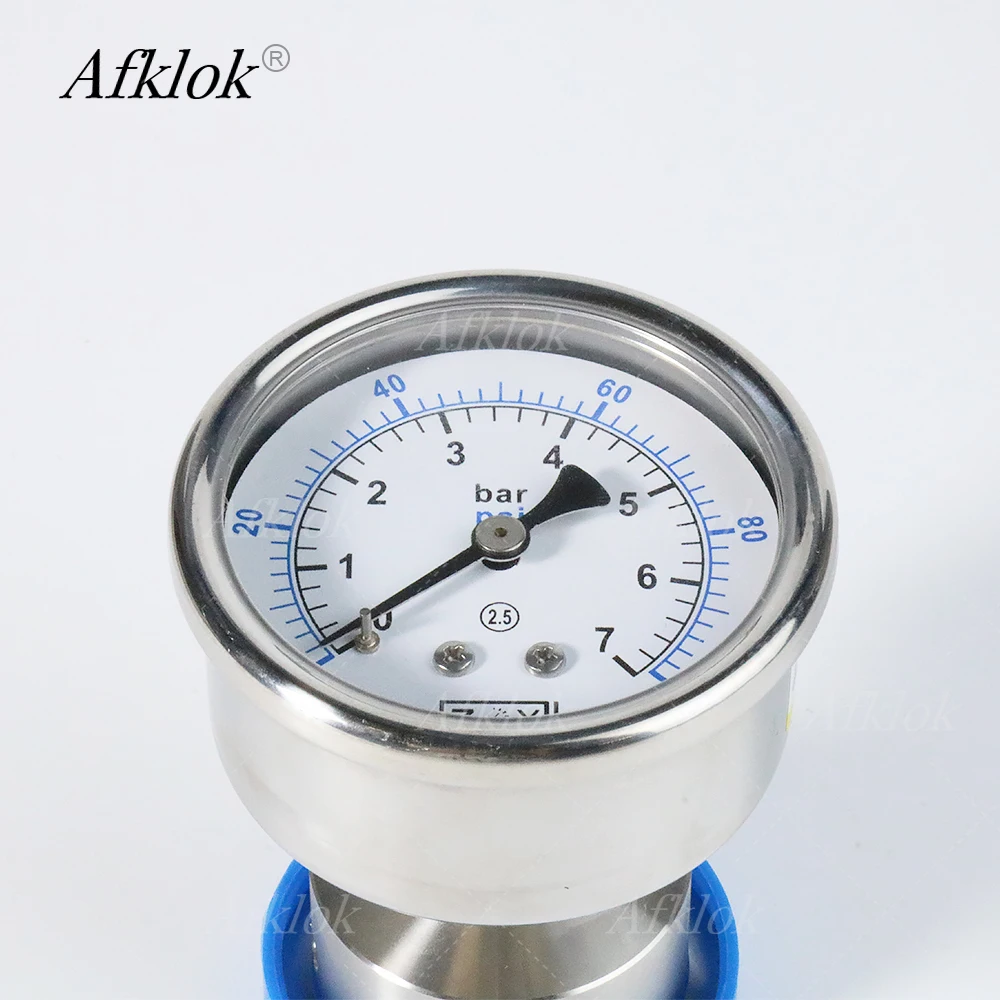
Rubber lined diaphragm valves are valuable equipment utilized in a variety of industries such as water treatment and chemical industries. They regulate the flow of liquids and gases. For anyone who uses them, knowing how long these valves last is crucial. The life span of a rubber-lined diaphragm valve is determined by so many factors. By knowing about these factors, its possible (although not guaranteed) to have valves that work well for a long time. At Wofly, we produce superior quality rubber-lined diaphragm valves designed for durability and to deliver great performance.
What Are the Effects of Rubber Linings on Service Life of Diaphragm Valves?
There are many factors that will influence the life of rubber-lined diaphragm valve. One major consideration here is the material of the rubber lining. Various rubbers have varying temperature and chemical tolerances. Some rubbers are best for hot liquids and others for cold; some can tolerate high-friction conditions, but not very high temperatures. Rubber that’s not made to function in certain types of conditions can break down quickly if you’re using a valve. Pressure in the system is also a key consideration. If the pressure is excessive, it may tear or deform the diaphragm. It's also important to consider how frequently the valve is utilized. Usually a well used valve (which opens and closes lots of times) is worn out before the same in use less.
It also depends on the environment in which the valve is used. For instance, if the valve is in sunlight or extreme weather conditions, the rubber can deteriorate more quickly. Chemicals in the fluid may also corrode the rubber lining in some cases. This is why it’s so crucial you pick the proper valve for what you’ll be using it for. It’s also a matter of maintenance. Valves that are not inspected and cleaned will develop issues that can reduce a valve’s useful life.
We here at Wofly, we know that stuff and craft valves with it. We design all our gear to be rugged, but we like it when you treat your stuff worse than we do. This minimizes the amount of product lost to thick valve walls, and adds longevity to our customer’s valves.
How to Prolong the Life of a Rubber- Lined Diaphragm Valve for High Performance
Maintaining your rubber-lined diaphragm valves might make them last longer and perform better. And one of the best ways to keep them in service for a long time is by maintaining them regularly. That means frequently inspecting the valves for any signs of wear or damage. If you see cracks or leaks in the rubber, make sure to fix them straight away. If the diaphragm becomes too worn out, you may need to replace it.
Beyond that, one way to extend the life of your valves is to actually use them the right way. Be sure to operate the valve in accordance with the manufacturer’s instructions. This involves maintaining the pressure and temperature at safe levels. You can even use a valve built for extremely high pressure if you know your valve will be exposed to a lot of pressure.
It is also important to regularly clean the valve. Dust and other debris can accumulate and cause the valve to fail. Be sure to follow the cleaning instructions from the manufacturer. Here at Wofly, we display recommendations of how to take care of our product and make it last over time.
Finally, it’s wise to keep an eye on the environment in which the valve’s installed. Cover and shield If you see extremes, cover with something or shield. This will protect the rubber from UV and extreme temperatures. By following those steps, Your rubber-lined diaphragm control valve could keep working well and efficiency for a long time.
Essential Maintenance Tips for Rubber-Lined Diaphragm Valves
Rubber lined diaphragm valves special types of valves used to control liquid and gaseous flow in various industries. To maintain these valves throughout your life, taking care of them is important. Regular maintenance can go a long way in terms of how long they will last. First, you should make sure to wash the valves frequently one of the best things that you can do. The valve itself may become encrusted with dirt and grime, which can impair its functioning. Instead, you can keep it clean by using a soft cloth to gently wipe away any dirt. The next thing you should do is look for brokenness of any kind. If you see cracks or tears in the rubber lining, patch them up. By ignoring these problems you run the risk of even bigger issues down the line. Another significant maintenance task is ensuring the valve is adequately lubricated. This is the process of putting a special type of oil or grease on the moving parts that are associated with the valve. This helps to facilitate the movement and prevent it from getting stuck or locked. You should also verify that the valve maintains pressure, regularly testing it. Abnormal pressure can disrupt the way the valve functions. Wofly suggests that you maintenance your rubber lined diaphragm valves regularly in order to keep them working efficiently. Finally, remember to refer to the manufacturer’s service instructions. Here are some care tips for your valves and when to recognize signs while conducting inspections. Following such suggestions will let your diaphragm valves, rubber lined, serve you for longer and be more effective.
Common Industrial Applications of Rubber-Lined Diaphragm Valves
Rubber-lined diaphragm valve is applied in various kind of industries. They are popular for the reliability and ability to process a wide range of material. One of the most common applications for these valves is within the water treatment industry. They help manage the flow of water, and they make sure it’s clean for drinking. Rubber lined diaphragm valves are used to handle the flow of various chemicals in chemical plants. Its rubber liner protects the valve from damage due to harsh chemicals. This is why they are a best fit for such environments. Food and beverage industry – These valves are also commonly present in the food and beverage industry. Here, they are used to regulate the flow of liquids such as juice, milk and even beer. And rubber lining protects the liquids from contamination. Wofly valves are specially developed for these industries to provide safe operational practices and productivity. You will also see the rubber lined diaphragm valves in the pharmaceutical sector. They help to regulate the flow of medicines and other products that demand special handling. What this means in all these sectors is that these rubber lined diaphragm pressure regulator solutions can be relied on to keep things moving along nicely. They are vital components of so many systems, ensuring that everything works as it should.
How to Identify and Troubleshoot Rubber-Lined Diaphragm Valve Problems
Knowing when to troubleshoot rubber-lined diaphragm valves will help identify problems before they quit. Identifying these problems early can save time and money. You know you have some wear if there are leaks. If you observe liquid or gas leaking from the valve, something is definitely wrong. You need to give the rubber lining a good look over for any cracks or splits. A damaged lining if it doesn’t create a proper seal, the cup can leak. Another indicator to be cautious of is the abnormal sounds. If the valve is making odd noises while it’s in use, you may have an issue. Perhaps parts are rubbing on each other, or there is insufficient lubrication. And also take note of how the valve opens and closes. If it feels stiff or is not gliding within the housing as you turn the volume knob, that’s a sign that it needs maintenance. A periodic check can catch these symptoms early. Inspect the Valves Wofly suggests creating a checklist for checking your valves. Such inspection may entail looking for the source of leaks, abnormal sounds and the functioning of the valve. By watching out for these signs, you can help avoid larger issues and keep your rubber-lined diaphragm valves working smoothly. And don't forget, taking care of your valves helps keep the wheels moving in your operations.
Table of Contents
- What Are the Effects of Rubber Linings on Service Life of Diaphragm Valves?
- How to Prolong the Life of a Rubber- Lined Diaphragm Valve for High Performance
- Essential Maintenance Tips for Rubber-Lined Diaphragm Valves
- Common Industrial Applications of Rubber-Lined Diaphragm Valves
- How to Identify and Troubleshoot Rubber-Lined Diaphragm Valve Problems