 EN
EN
 AR
AR
 HR
HR
 CS
CS
 NL
NL
 FR
FR
 DE
DE
 IT
IT
 JA
JA
 KO
KO
 NO
NO
 PL
PL
 PT
PT
 RO
RO
 RU
RU
 ES
ES
 SV
SV
 TL
TL
 ID
ID
 VI
VI
 MT
MT
 TH
TH
 TR
TR
 AF
AF
 MS
MS
 AZ
AZ
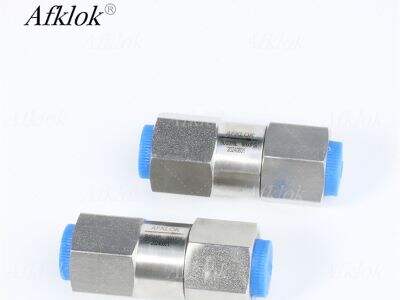
A three-way valve is a crucial piece of several machines and systems. It regulates the flow of liquids and gases. When there are issues, however for example if there is internal leakage within these valves. This is a fancy way of saying that the fluid leaks out from inside the valve when it isn’t supposed to. There can be a number of reasons for internal leaks, and the knowledge about these causes is what really helps in avoiding them. At Wofly, we design our valves to be as robust and durable as possible, and we like to provide some useful advice on how to maintain your three way valve.
Three Way Valve Leaking: What do Wholesale Buyers Need to Know?
For wholesale purchasers, understanding the problem of three-way valve leakage is very importance. It can influence how well a system functions. A leaky valve can result in wasted materials and energy. Buyers should be mindful about the quality of valves they are buying. Cheap valves may save you money in the present, but they can create even larger problems down the road. Seek out valves constructed from sturdy materials that can handle both pressure and temperature changes. And examine other seals and gaskets. These are the parts that retain the fluid in the 3 way ball valve. If they become worn or damaged, leaks can result. It’s also good to know how the valves are going to work. Some are better at preventing leaks than others. Buyers ought to inquire about the testing procedures used to certify that the valves are impermeable. And be sure to request warranties as well; a strong warranty is indicative of a manufacturers trust in its product. When you buy Wofly products, you will get the reassurance that they are engineered for years of satisfaction and trouble-free use.
How to Detect Internal Leakage in Three Way Valves?
Detection of internal leakage for three-way valves is key to ensure system performance. A common symptom is fluid on the valve. Just one drop or puddle forming? That’s a clear sign something’s wrong. Another sign is unusual noises. If the valve begins to produce hissing or gurgling noises, it could indicate a leak. You’ll want to watch pressure changes, too. If the pressure in the system continues to fall, it may indicate that fluid is leaking. On the odd occasion, you may experience a change in the flow and realize the valve isn’t working properly. Regular maintenance is key. Examine three way ball valve frequently and inspect gaskets and seals for wear. If these components appear to be cracked or damaged, it’s time for them to be replaced. Also, using a flow meter can offer the ability to detect changes in flow rate that could indicate a leak. Keeping an eye on it will help catching as small issues before they become big ones. Here at Wofly we suggest writing down your valve inspections and any changes you have noticed. This will allow you to get ahead of any potential leaks and keep your systems running well.
What are the Maintenance Practices for Three Way Valves?
It’s very important to maintain three-way valves to keep them operating properly. Such valves can be used to regulate the flow of fluids or gases through pipes. If kept in poor condition, they may begin to leak. These are a few tips to help you maintain your three-way valves. First, regular inspection is essential. Pay attention to valves, you need to inspect them regularly, replace if necessary. Inspect for rust, cracks or any other issues that could result in leaks. If you see something out of sync, it’s best to adjust it immediately.
Another best practice is to keep area around the valves, like exceptionally clean. Dirt and grime can accumulate and cause the way the valve is working to change. Keeping the are clean can help prevent these problems, too. Also, check to see if the valves are installed properly. If not properly installed, they have the potential to leak over time. It is important to follow the installation instructions as outlined by the supplier.
You should also inspect the valves seals and gaskets. These components help form a good seal, and if they wear out, it can cause leaks. If seals are discovered to be defective, they must be replaced promptly. You also need the proper tools and equipment when performing any valve maintenance. Make sure you never use cheap tools that will easily break. And finally, and maintenance schedule is a smart idea. Regular inspections and maintenance can go a long way toward preventing small issues from turning into large ones. By doing this you can go a long way to ensuring that your three-way valves work for as long as possible.
Impact of Internal Leakage on System Efficiency and System Performance
Internal leakage on three-ways can be harmful to a system in many ways. When a valve leaks, however — failing to close all the way, in other words — it disrupts the flow of a liquid or gas, and the entire system will become less efficient. It is as though you are attempting to fill a damp balloon with water and the balloon has holes in it.” The water will come out instead of going into the balloon. This phenomenon is analogous to that which occurs inside a valve with internal leakage. The fluid does not necessarily have to flow to where it is required, which can slow down processes and interfere with their effectiveness.
Internal leaks can also cause higher energy costs. When the system has to work extra hard to force fluids through a leaky valve, it consumes more energy. The net result can be higher bills, which is not good for anyone. What's more, if the fluid is a toxic or otherwise dangerous gas or liquid, it can be unsafe. The leaks can be dangerous, particularly in an industrial setting.
Internal leakage can also contribute to premature wear and tear on other components in the system. When the flow isn’t smooth, it can induce additional stress on pumps and other equipment. This can eventually cause more repairs and replacements, which ends up costing even more. Moreover, low system efficiency can impact the production rate of a process. If a factory or business depends on those valves, downtime can cost them by halting its ability to deliver products in time. So it is very important to promptly treat any evidence of internal leakage. By performing regular maintenance and checks, you can catch these leaks early on, and potentially avoid successively larger problems down the road.