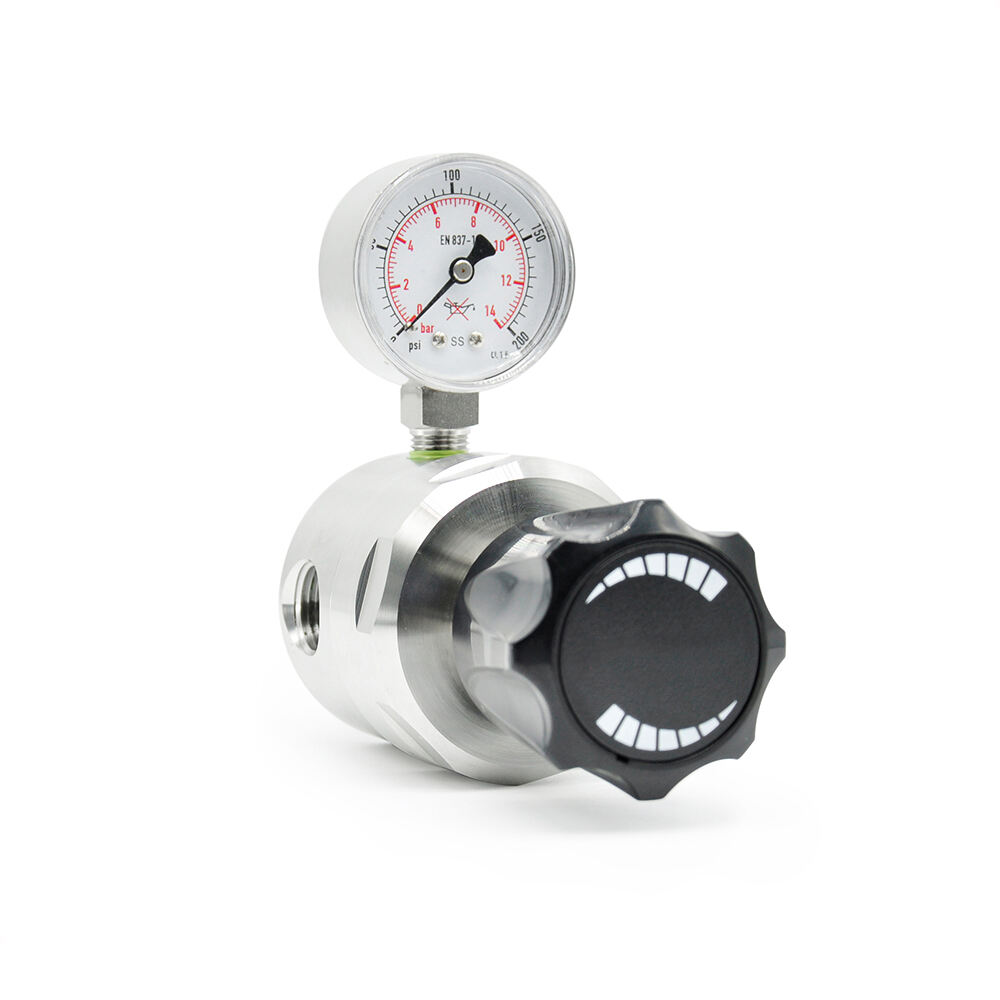
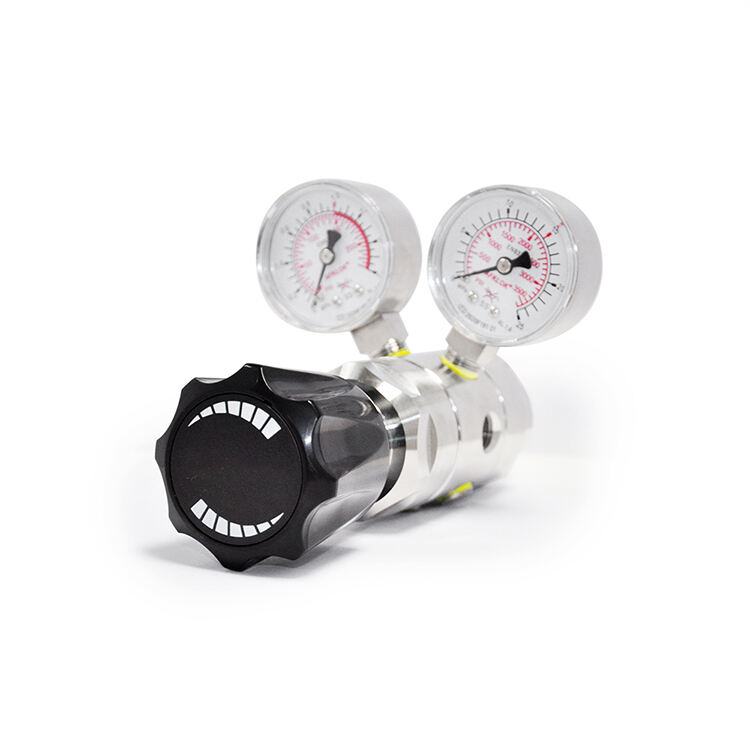
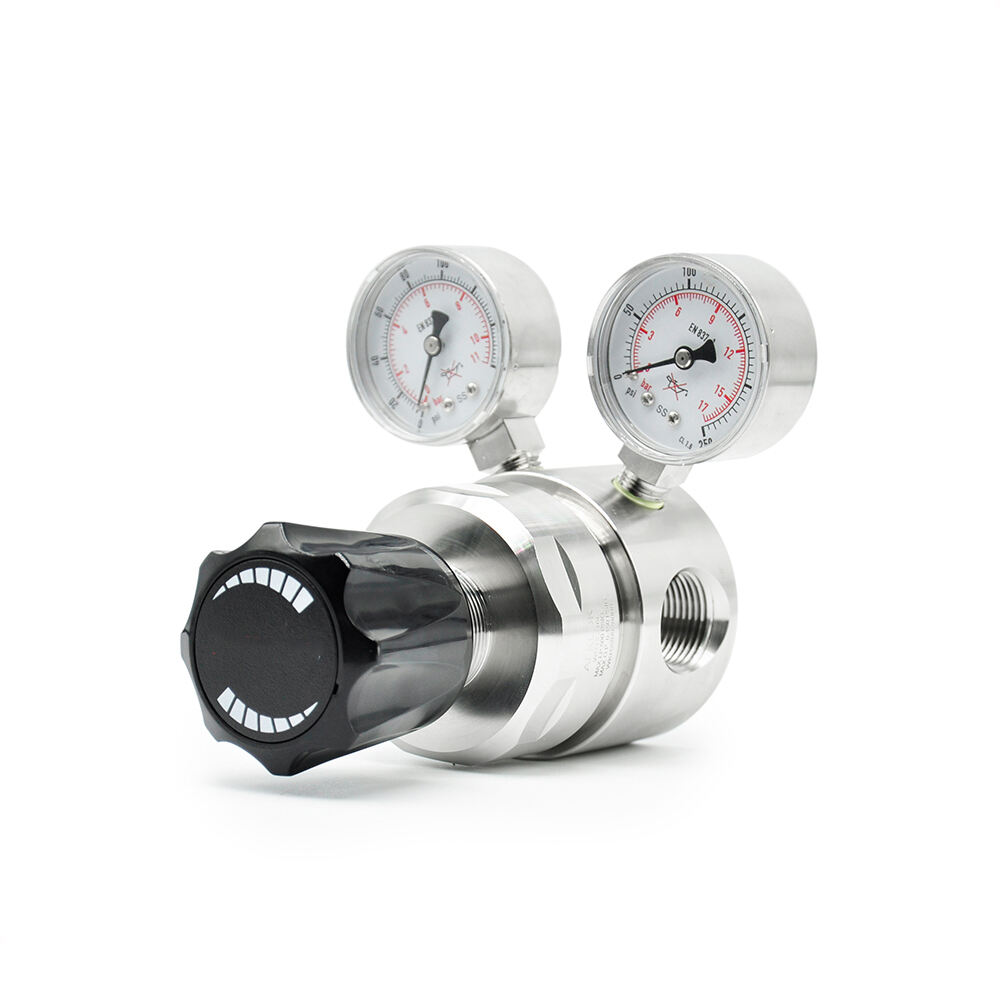
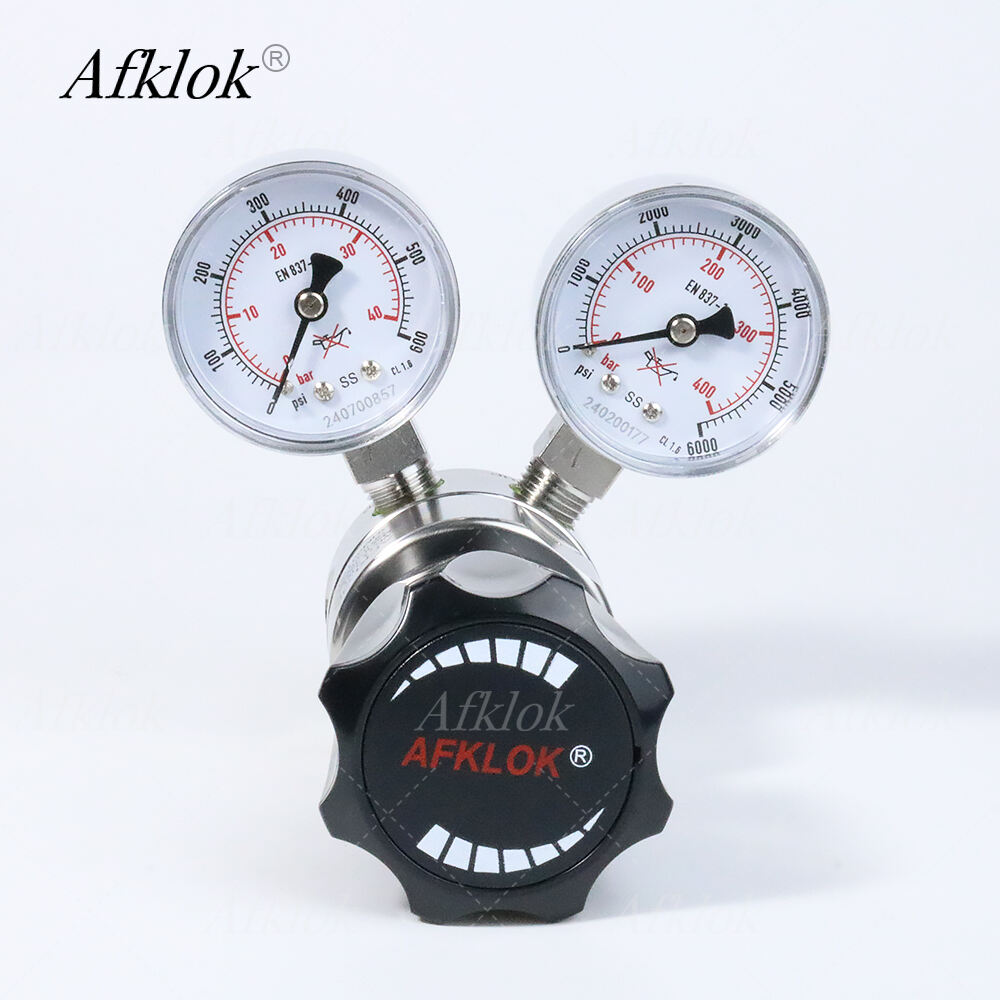
At Wofly, we take you safety in the use of carbon dioxide (CO2) tanks very seriously. These tanks have many uses, from creating fizzy sodas to inflating balloons. A CO2 tank has one very important feature known as the pressure relief valve. It is a special safety valve that helps regulate pressure within the tank. In this guide, you will learn what the pressure relief valve is, how to properly maintain it, and what steps to take if you experience issues.
CO2 Regulation Pressure Relief Valve CO2 tanks are fitted with pressure relief valves (safety mechanisms) that allow excess pressure to escape if the level in the tank becomes too high. And this is super critical because you know CO2 tanks have a high pressure inside of them. Excessive pressure, however, can be extremely dangerous and may cause the tank to explode. The 15psi pressure relief valve allows some of that pressure to escape, keeping everything safe and functional. It functions as a safety net for the tank, to make sure that things don't go wrong.
But you need to maintain your CO2 regulator pressure relief valve to function properly. It’s not difficult to take care of, and it can help prevent problems. To make things easier, you can try some simple recommendations:
Inspect Your Valve Frequently: You should inspect your valve regularly to ensure its integrity and suitable condition. Look for signs of damage, such as cracks or rust. A worn out one may need to be replaced.
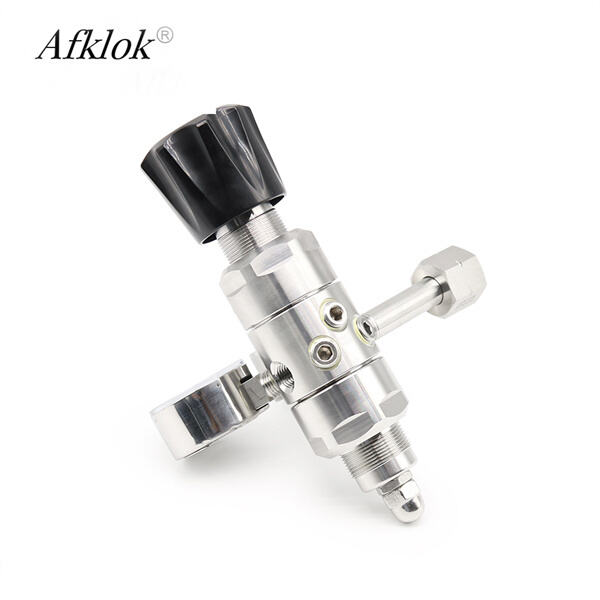
Check for Pressure Release: If you hear pressure releasing from the valve, your valve is functioning properly. An absence of pressure or only a little bit (this could mean the valve is blocked or damaged and requires servicing).
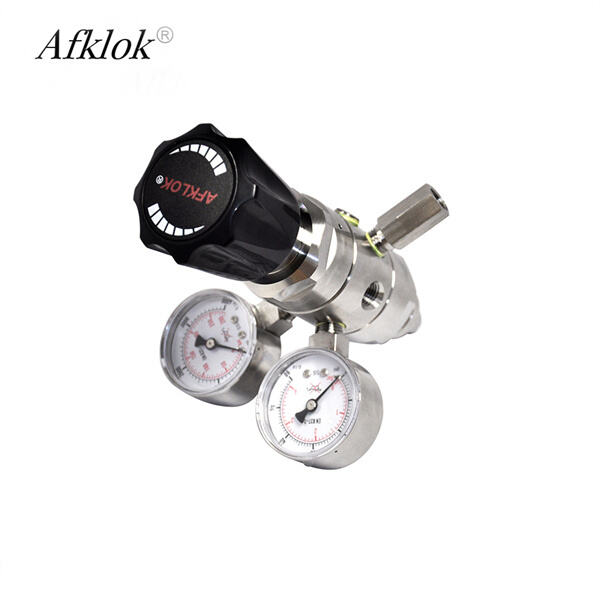
Setting your CO2 regulator (pressure relief) valve properly is something of utmost importance. It maintains that the valve releases pressure at the appropriate times and at the appropriate amounts. Here’s how to configure it correctly:
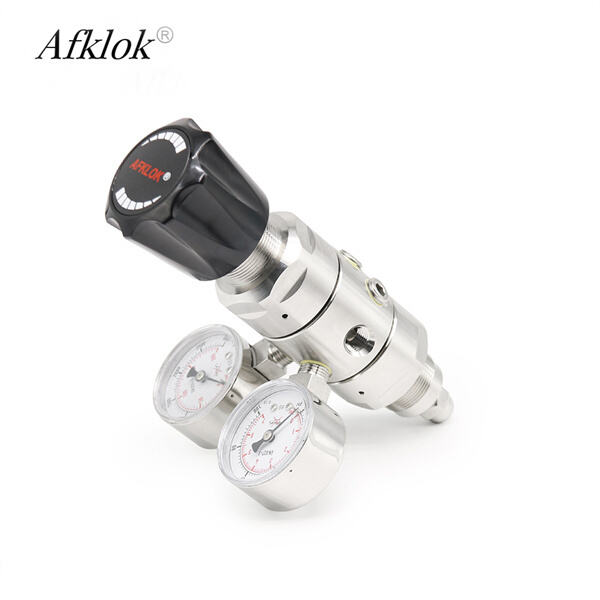
Dirty Valve: Occasionally, the valve gets dirty or blocked up. If that occurs, pressure may not be balanced properly. You can remove and clean out the valve. If it’s too dirty and cannot be cleaned, you will have to replace it.
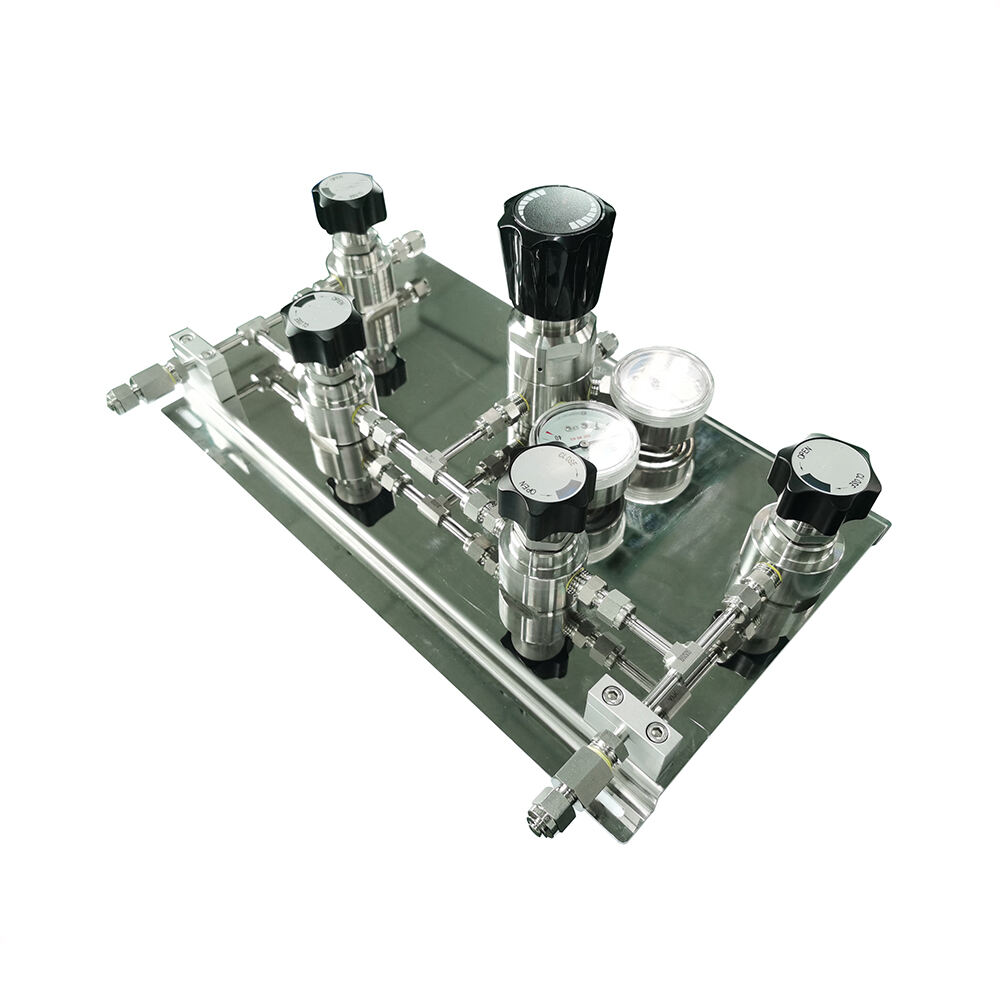
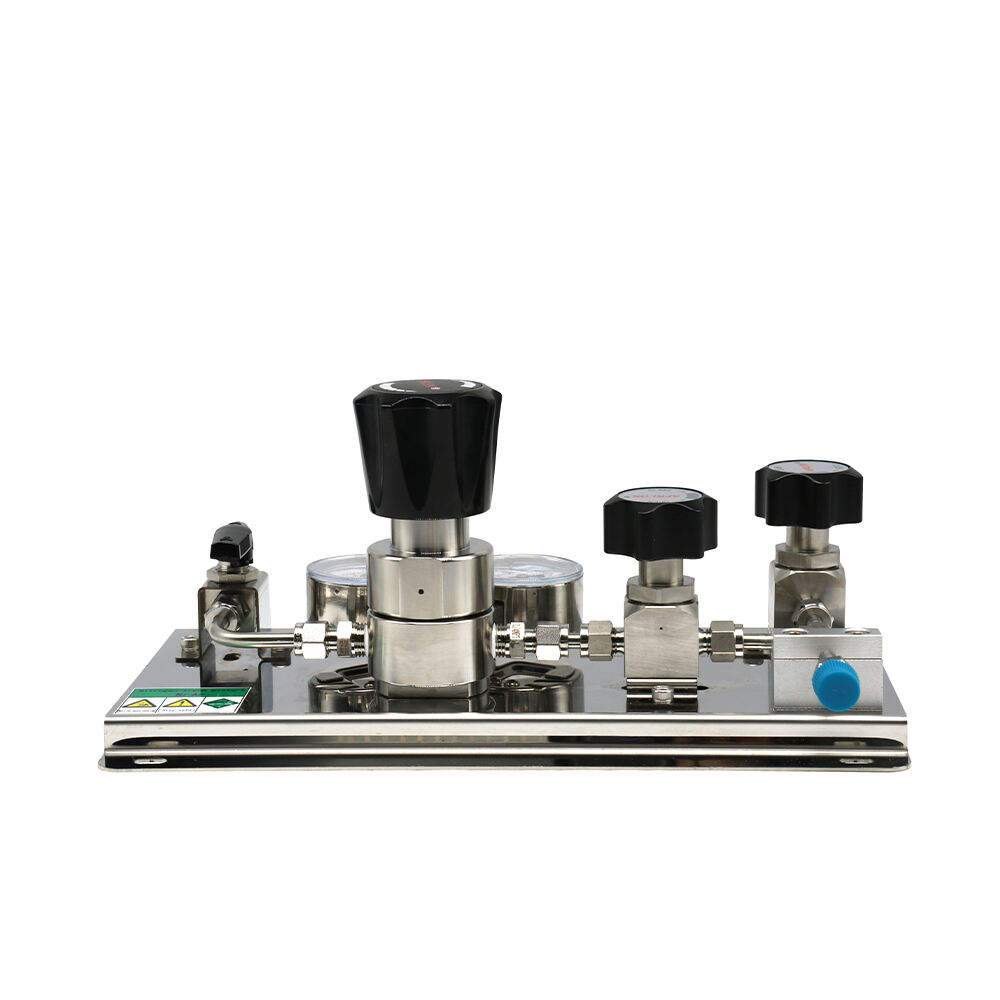
Shenzhen Wofly's co2 regulator pressure relief valve industry experience and technical know-how lets them design and manufacture high purity gas supply systems, along with related components, tailored to specific industry needs. The company is aware that every industry has its own unique issues and limitations. They can address these challenges with customized solutions, as well as ensuring that they perform at the highest level.
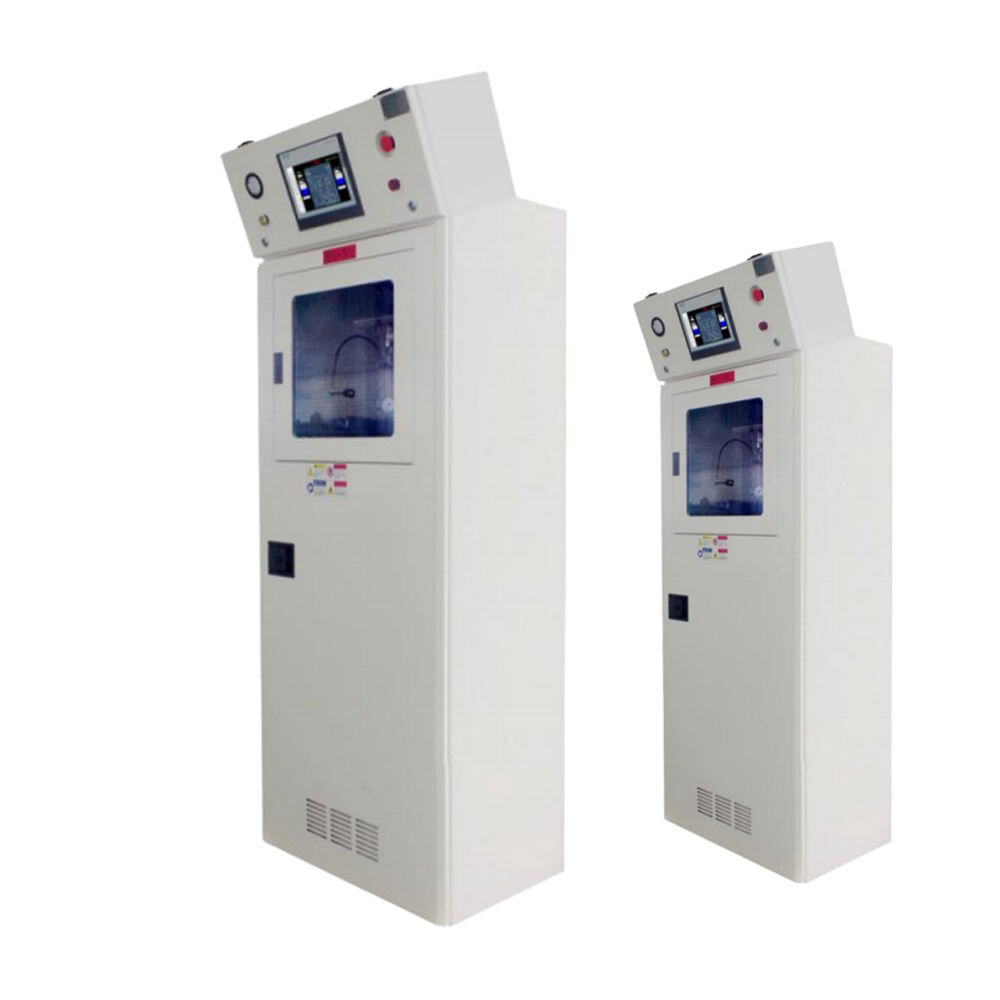
Shenzhen Wofly provides a co2 regulator pressure relief valve solution to all your gas supply needs. From design and consultation, through production, installation, test, and maintenance. We are able to ease the burden having to deal with multiple suppliers by streamlining our clients' processes. We can provide tailored efficient solutions that are able to satisfy the requirements of every customer. We keep abreast of the latest developments and trends in the industry and are able to offer the most innovative solutions.
Shenzhen Wofly prioritizes customer satisfaction and offers prompt, personal support throughout the entire product lifecycle. This includes consulting, design procurement, installation testing and maintenance to ensure that customers receive complete solutions to their gas supply needs. By focusing on customer satisfaction, the company helps to build long-lasting relationships and maintain co2 regulator pressure relief valve. This not only strengthens the customer base but allows them to continually enhance their products and services in response to feedback from customers.
Shenzhen Wofly is equipped with the latest high-tech pipe welding equipment from co2 regulator pressure relief valve that demonstrates their co2 regulator pressure relief valve to high-quality construction standards in gas pipeline engineering. The company continuously invests in research and development to stay in the forefront of the industry. This allows them the ability to launch cutting-edge products and technologies which meet changing market requirements and developments in gas supply systems.
 EN
EN
 AR
AR
 HR
HR
 CS
CS
 NL
NL
 FR
FR
 DE
DE
 IT
IT
 JA
JA
 KO
KO
 NO
NO
 PL
PL
 PT
PT
 RO
RO
 RU
RU
 ES
ES
 SV
SV
 TL
TL
 ID
ID
 VI
VI
 MT
MT
 TH
TH
 TR
TR
 AF
AF
 MS
MS
 AZ
AZ